Quick answer
Shortlist pressure-treated wood or cedar if you want real wood and accept ongoing care. Shortlist capped composite or PVC if avoiding regular staining is a priority—but expect cleaning, inspections and product-specific restrictions. For sunny decks, compare actual colors rather than assuming one material stays cool. For damp locations, check drainage and airflow before choosing boards. The best choice is an exact product that fits your site, maintenance preferences and installation plan. (yellawood.com)
1. Compare the four surfaces—not four complete decks
Decking is the walking surface. It is not the entire structure beneath it. TimberTech expressly states that its decking cannot serve as primary load-bearing posts, beams or joists. Changing the surface therefore does not establish that an existing deck is suitable for resurfacing. (timbertech.com)
Use this table to build a shortlist, then compare specific products.
| Surface | Appearance and upkeep | Heat and moisture considerations | What to verify |
|---|---|---|---|
| Pressure-treated wood | Real grain; color changes with exposure. Cleaning and an appropriate finish help manage weathering. | Treatment does not prevent all shrinkage, checking or warping. | Species, grade, treatment designation, board dimensions and finishing instructions. |
| Western red cedar | Real wood with natural variation. Keeping a finished appearance means maintaining the finish. | Keeping boards clear of debris and allowing them to dry matters. | Exact species and grade, finish compatibility and cleaning method. |
| Wood-plastic composite | Wood fibers and plastic, often with a protective cap. Current capped products generally avoid routine staining. | Can get hot in sun; surface debris still requires cleaning. Cap construction varies. | Collection, profile, cap coverage, approved fasteners and support spacing. |
| PVC | Synthetic boards with manufactured colors and textures; generally selected to avoid regular staining. | Can get hot and moves with temperature. Moisture resistance does not remove installation requirements. | Exact product, thermal-movement details, ventilation and restrictions on mats or heat sources. |
These distinctions come from manufacturer and cedar-industry guidance, not a guarantee that every product within a category performs alike. (yellawood.com)
Ask builders to price the same layout with clearly identified surface alternatives. Keep stairs, railings, demolition and framing work visible as separate items. Do not treat a board-only price as a complete project estimate.

2. Decide how you want the surface to look after weathering
Start with a practical question: Do you want to maintain a particular color, or are you comfortable with the surface changing?
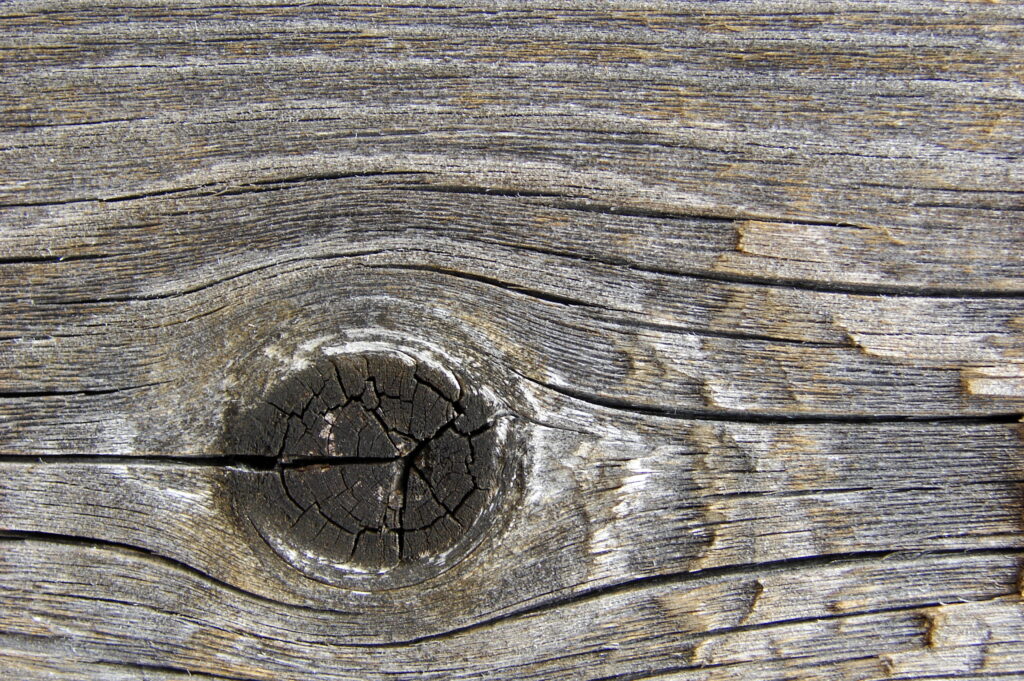
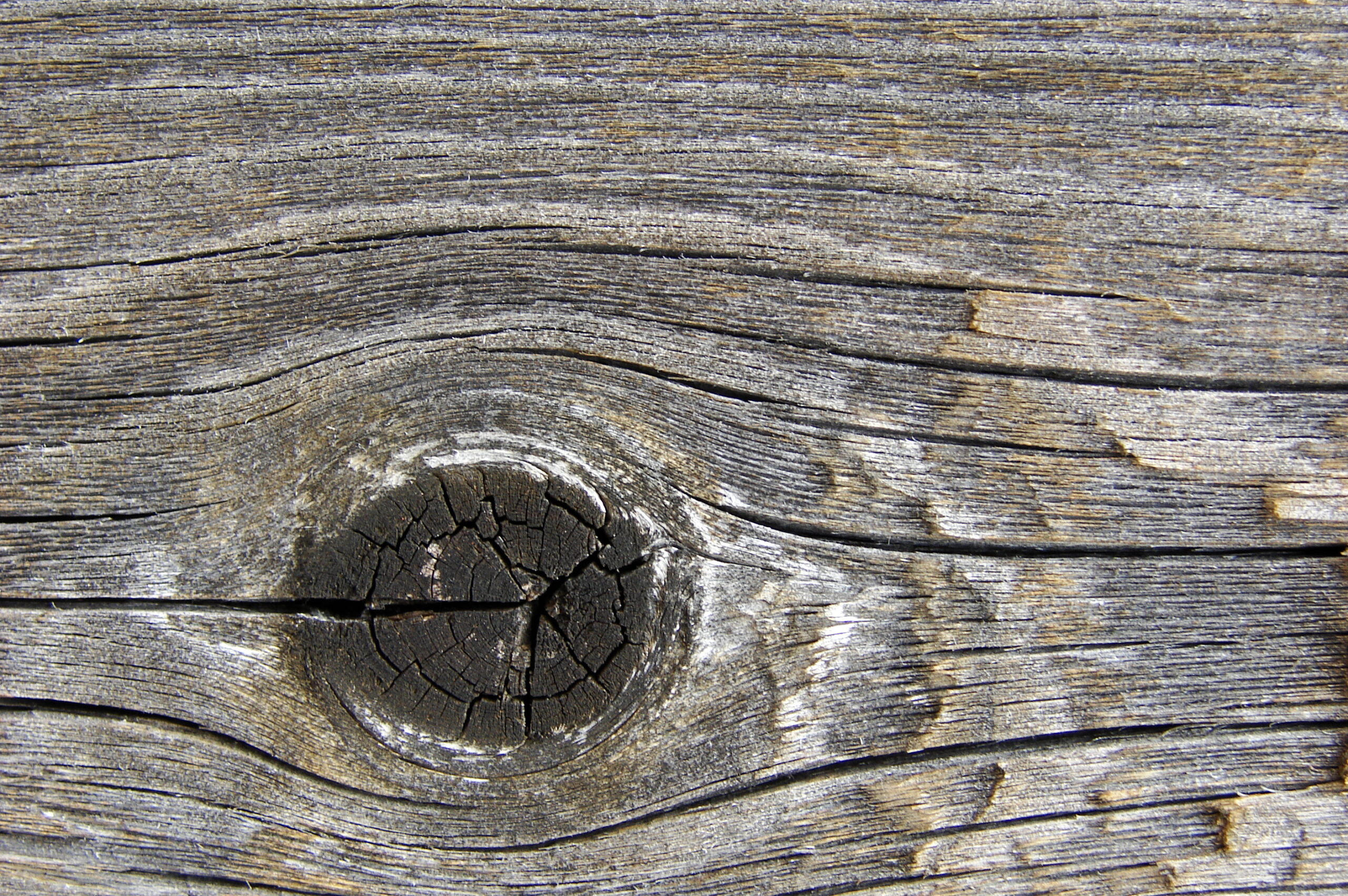
Pressure-treated lumber can change color and develop checks, splits or distortion through weather exposure. YellaWood’s care guidance distinguishes protection against decay and termites from the maintenance needed to minimize weathering. “Treated” does not mean the board will retain its original appearance without care. (yellawood.com)
For cedar, decide on the finish before construction. The Western Red Cedar Lumber Association says new, dry cedar that has not been exposed to the elements may be finished immediately. Previously coated boards need preparation, and the finish label governs application. (realcedar.com)
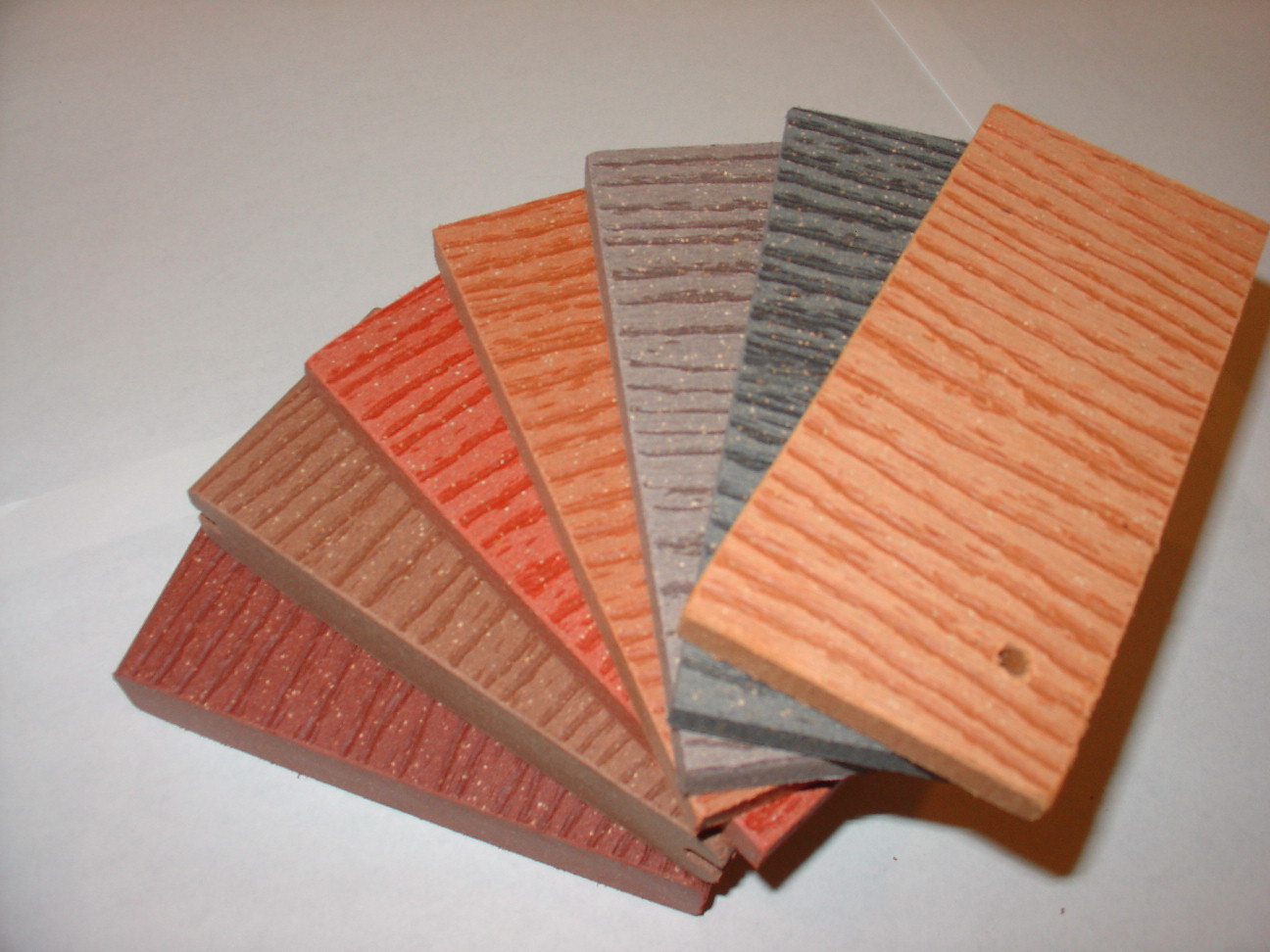
For composite and PVC, compare several boards or larger displays rather than one small color chip. Ask to see the proposed edge treatment, stair nosing, fascia and fastener finish. Those are useful purchasing checks, especially when you care about how the deck looks from the yard.
Do not assume a manufactured surface can later be refreshed like wood. Trex says its decking should not be sanded because sanding changes its appearance and protective qualities. (trex.com)
Before ordering, write down the exact product, color, profile and dimensions. For lumber, request the species and grade rather than accepting “cedar decking” or “treated boards” as the complete specification.
This image was made by Loadmaster (David R. Tribble).
Email the author: David R. Tribble
Also see my personal gallery at Google Photos. Own work Source CC BY-SA 3.0

3. For a sunny deck, evaluate color and exposure first
Neither “wood,” “composite” nor “PVC” is a reliable promise of barefoot comfort. Trex and TimberTech both warn that decking can become hot in direct sunlight; both identify darker colors as a concern. (trex.com)
A useful homeowner comparison is to:
- Place shortlisted samples together in the proposed deck location.
- Compare them under the same sun exposure.
- Review color and texture both dry and wet.
- Ask what any heat-reduction claim compares against.
This is a screening exercise, not a laboratory test or a guarantee about a completed deck. Avoid prolonged skin contact with hot samples or decking, particularly for children. Trex specifically cautions against extended skin contact on hot days. (trex.com)
Also ask the builder about concentrated reflected sunlight. TimberTech’s installation guidance warns that reflections from low-emissivity glass can create excessive heat and damage boards. This deserves a site-specific review, not just a choice of lighter color. (timbertech.com)
Hypothetical sunny project: A homeowner wants a dark surface beside large windows. Before selecting the material, the homeowner requests lighter alternatives, compares samples and asks the builder to address reflected heat. The result is a better-defined specification—not an unsupported conclusion that PVC or wood will always be cooler.
4. For shade and moisture, check how the deck will dry
A moisture-resistant surface cannot substitute for a drainage and ventilation plan.
The cedar association recommends keeping the surface free of leaves and other debris, maintaining drainage and moving accessories periodically so the wood beneath them can dry. (realcedar.com)
TimberTech’s composite installation guide likewise addresses drainage beneath on-grade decks and advises against applications where ventilation and airflow cannot be achieved. Requirements must come from the selected product’s instructions. (assets.timbertech.com)
Before choosing boards for a shaded deck, ask:
- Where does roof runoff go?
- Will leaves collect between boards?
- How will water drain beneath the deck?
- Will skirting or other features restrict airflow?
- Can the area beneath furniture and planters be cleaned?
Hypothetical shaded project: A homeowner prefers a low-upkeep surface under trees. Composite and PVC remain candidates, but the builder must explain drainage, clearance and cleaning access before the homeowner chooses a collection.
Do not interpret moisture resistance as “nothing can grow on it.” TimberTech acknowledges that surface mold or mildew can occur on outdoor surfaces under certain conditions. Follow the product’s cleaning guidance rather than assuming the material category eliminates the problem. (timbertech.com)
5. Check installation compatibility before accepting a resurfacing bid
For an existing deck, separate two questions:
- Is the underlying structure suitable for continued use?
- Does it meet the selected decking product’s installation requirements?
TimberTech requires a code-compliant substructure and warns against installing its boards directly over existing deck boards. A surface replacement is not permission to conceal an unassessed structure. (timbertech.com)
Ask the contractor to identify the applicable installation-guide pages for support spacing, board orientation, stairs, fasteners, joints and perimeter details. PVC instructions also address movement with temperature, making joint and fastening details important. (assets.timbertech.com)
Worked example: straight boards versus a diagonal layout
Suppose an existing deck has joists 16 inches on center, and a homeowner is comparing straight and 45-degree layouts using a Trex Enhance 1-by-6 profile.
The supplied 2026 Trex Decking Installation Guide lists 16-inch support spacing for the perpendicular layout and directs installers to reduce the listed spacing by 4 inches for a 45-degree layout. That makes the corresponding spacing 12 inches on center. The same guide separately lists 9-inch stair-stringer spacing for that Enhance profile. Source: guide page 22
The homeowner’s action is to request separate prices for:
- A straight layout, subject to structural assessment.
- A diagonal layout with the support changes it requires.
- Stairs built to the selected profile’s separate requirements.
These are product-specific checks, not structural approval. Confirm local requirements and the instructions applicable when the product is purchased.
6. Match the maintenance routine to the exact board
“Low maintenance” should describe a manageable routine, not no routine.
For pressure-treated wood, avoid a universal rule such as “wait six months before staining.” YellaWood explains that readiness varies with weather, factory-applied water repellents and whether the lumber was kiln-dried after treatment. Follow the selected finish’s preparation and application requirements. (yellawood.com)
For cedar, the cedar association recommends cleaning and clearing debris between boards. It warns that power washing can seriously damage cedar surfaces. (realcedar.com)
For current TimberTech composite and PVC collections, its care guide specifies brushes and cleaning practices, recommends working in manageable areas and warns against allowing cleaner to dry on the surface. It permits a pressure washer for rinsing under stated restrictions. Do not transfer that method to another brand or older product. (timbertech.com)
Before purchase, ask for a written care summary covering:
- Approved cleaners and brushes.
- Whether pressure washing is permitted.
- Spill-cleanup requirements.
- Restrictions on mats, rugs and planters.
- How damaged boards can be replaced.
Hypothetical low-maintenance project: A homeowner willing to clean but unwilling to stain regularly can shortlist capped composite and PVC. The final choice should still account for cleaning access and accessory restrictions; TimberTech’s PVC guide warns that certain rubber or vinyl items can discolor the surface. (timbertech.com)
7. Read the warranty, then finalize a like-for-like shortlist
A long warranty headline is not a promise of free deck replacement.
For example, TimberTech’s Advanced PVC product warranty effective for purchases on or after June 12, 2026 excludes specified installation, maintenance and support-related problems. It also excludes removal and replacement-installation costs, including labor and freight. Separate labor coverage may have different eligibility requirements. (assets.timbertech.com)
Its separate fade-and-stain warranty contains cleanup conditions and prorated recovery provisions. Product-defect coverage and appearance coverage therefore need separate review. (assets.timbertech.com)
Ask these questions for every finalist:
- Which warranty applies to this collection and purchase date?
- What defects, fading or stains are covered?
- What installation and cleaning exclusions apply?
- Are removal, labor, freight and disposal covered?
- Does reimbursement decline over time?
- Can coverage transfer to a later homeowner?
- What receipts, photographs and deadlines are required?
Then obtain written bids using the same project scope. Require the exact surface specification, fastener system, framing changes, stair details, finish work and exclusions.
The most useful final question is: “What must change in this design or installation for this exact board to work here?” Choose the product after that question is answered—not simply because a category is described as natural, durable or maintenance-free.